
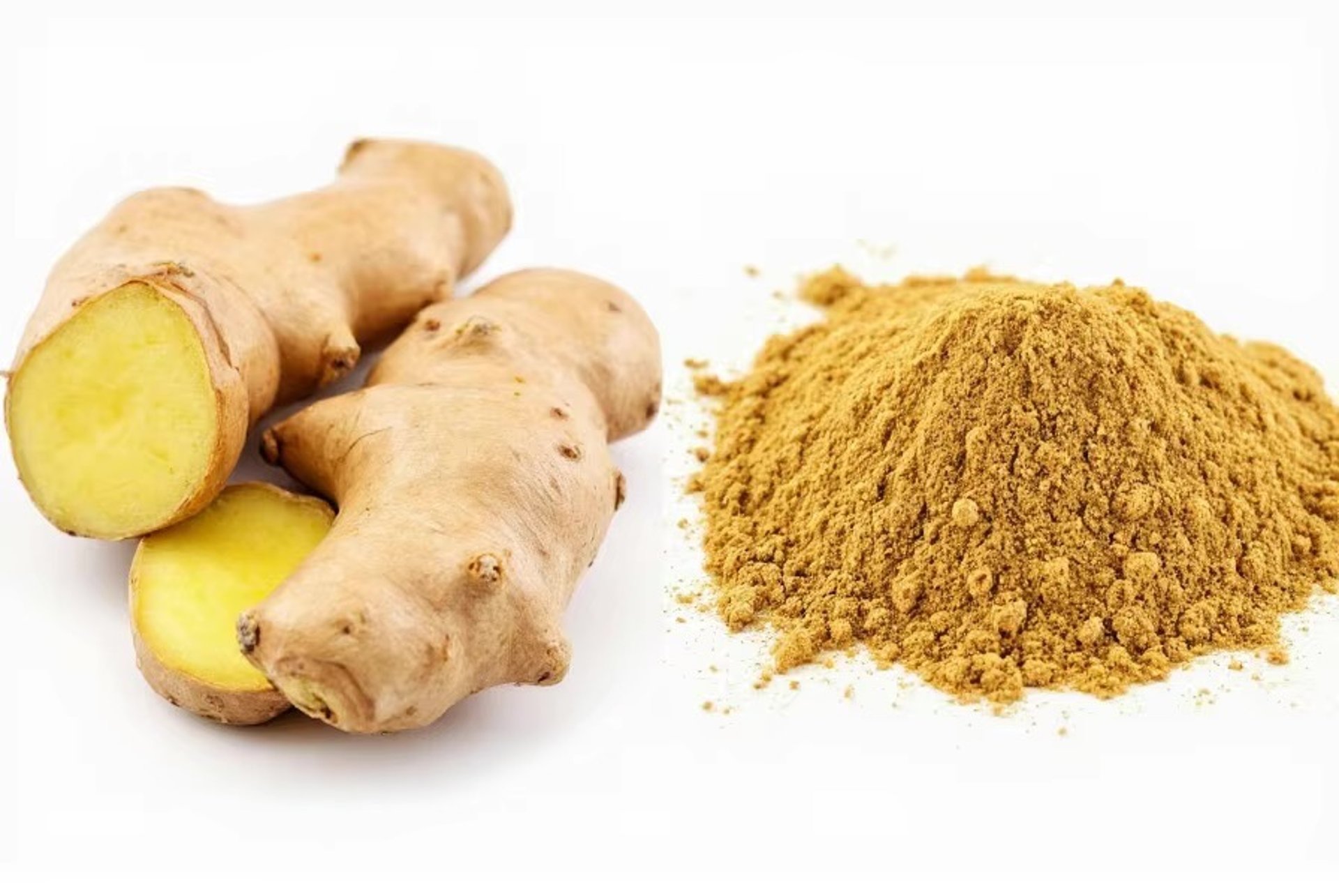
Ginger 101: Benefits, History, and Why It’s Our Herb of the Month
There’s something unmistakable about ginger. One sip of ginger tea or one bite of fresh ginger, and you feel it immediately a gentle heat that starts in the belly and radiates outward. That sensation isn’t just comforting; it’s the reason ginger has been cherished across cultures for thousands of years. This month, we’re highlighting ginger not only for what it does in the body, but for what it represents: warmth, presence, and care from the inside out. Ginger comes from a rhizome, not a root. Rhizomes grow horizontally underground, storing energy and nutrients, which makes ginger especially potent and resilient. In herbal traditions, ginger is considered a warming herb. That warmth helps stimulate digestion, support circulation, and gently wake up systems in the body that feel sluggish or stuck. Unlike harsh stimulants, ginger works in a steady, supportive way. It encourages movement of digestion, blood flow, and energy without forcing anything. That’s part of what makes it so widely loved and easy to incorporate into daily life. Ginger has been used for over 5,000 years and holds an important place in both Ayurveda and Traditional Chinese Medicine. In these systems, ginger was valued for its ability to kindle internal warmth, support digestive strength, and bring balance during times of imbalance or transition. Historically, ginger was used to ease digestive discomfort, support immunity, and help the body adapt to seasonal changes. It was also used as a daily tonic something taken regularly, not just when something felt “wrong.” This long-standing relationship with ginger speaks to its versatility and gentleness, as well as its effectiveness. Across cultures, ginger has symbolized vitality and protection. It was traded widely, prized not just as a spice but as a medicine that helped people stay strong, nourished, and resilient. While ginger can be supportive for almost everyone, certain people tend to feel its benefits more noticeably. If you often feel cold, low-energy, or weighed down, ginger’s warming nature can be especially helpful. It’s also supportive for those with sensitive or sluggish digestion, frequent bloating, or a feeling of heaviness after meals. Ginger can be a great ally during times of stress, emotional transition, or seasonal shifts moments when the body and nervous system benefit from grounding warmth. It’s also helpful for people who tend to push themselves and forget to slow down, as ginger supports circulation and digestion while reminding the body to stay connected and present. Because ginger is both stimulating and soothing, it strikes a rare balance: energizing without being overwhelming, comforting without being sedating. We chose ginger this month because of the warmth it brings physically, emotionally, and symbolically. This season is about showing up for yourself in a way that feels sustainable and kind. Not rushing. Not forcing. Just steady, intentional care. Ginger teaches us that warmth doesn’t have to be loud or aggressive. It can be subtle. It can build over time. It can start small and still be powerful. That mirrors the way we’re invited to treat ourselves meeting our needs gently, staying connected to our bodies, and allowing nourishment to come from within. This month is an invitation to slow down and soften, while still staying engaged and alive. Ginger supports that balance beautifully. Throughout the month, we’ll be exploring ginger in practical, approachable ways. You can expect simple education on its benefits, easy daily uses you can integrate without overwhelm, and gentle practices that support inner warmth and self-awareness. Whether through teas, meals, or mindful moments, ginger will be a touchstone a reminder to stay present, nourished, and kind to yourself as you move through your days. Sometimes the most powerful support comes from the simplest places. Ginger is one of those reminders: warmth starts within, and when we tend to it with care, it naturally spreads outward.